
Infrared Therapy for Dogs: Safe, Effective Relief for Senior & Arthritic Pups
Infrared therapy for dogs is a safe, drug-free way to ease joint pain and stiffness in senior pups.
If your senior dog struggles with stiff joints, sore muscles, or post-injury discomfort, you’ve probably searched for gentle, drug-free ways to help them feel better. Infrared therapy (also called red light therapy) has quickly become one of the most popular vet-approved solutions for pet pain relief — and for good reason.
What Is Infrared Therapy for Dogs?
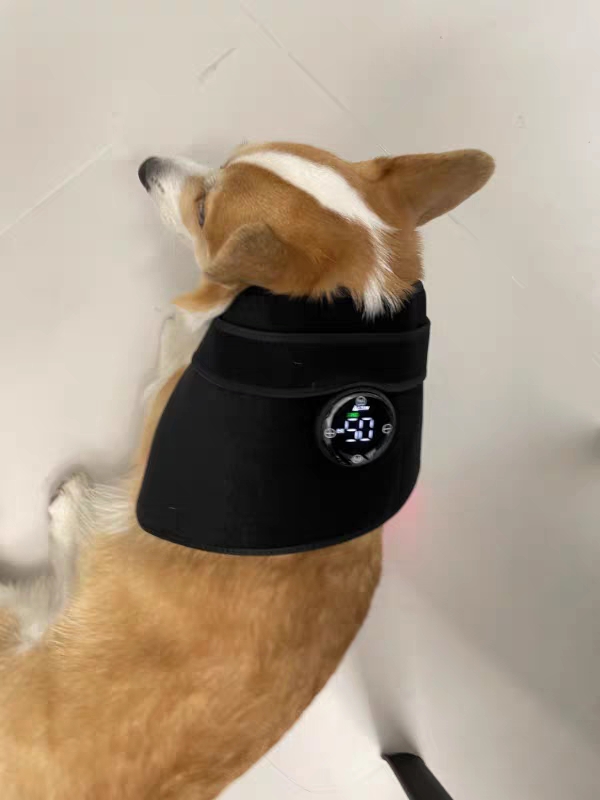
Infrared therapy uses low-level heat to penetrate deep into your dog’s muscles and joints, improving blood flow, reducing inflammation, and speeding up the body’s natural healing process. Unlike traditional heating pads that only warm the surface, infrared therapy delivers gentle heat directly to sore areas, helping to ease stiffness and discomfort at the source.
For dogs with arthritis, hip dysplasia, post-surgery soreness, or general age-related joint pain, this therapy offers a safe, non-invasive way to manage symptoms without relying on daily medication.
Key Benefits of Infrared Therapy for Dogs
Relieves Joint Stiffness & Arthritis Pain
Warm infrared heat helps loosen tight joints, making it easier for senior dogs to stand, walk, and play without limping or hesitation.
Speeds Up Recovery After Injury or Surgery
Improved blood circulation helps reduce swelling and repair damaged tissue, so your dog can get back to their favorite activities faster.
Eases Muscle Soreness & Tension
Active dogs, working breeds, and pups recovering from exercise often build up tight muscles. Infrared therapy helps relax these areas, reducing soreness and improving mobility.
Safe, Drug-Free Pain Management
Many pet owners worry about the side effects of long-term pain medications. Infrared therapy offers a gentle alternative that works well as part of a holistic care routine.
How to Use an Infrared Therapy Pad for Your Dog
Using a portable infrared therapy pad at home is simple and stress-free for most dogs:
Place the pad on your dog’s sore joint or muscle area (hips, knees, shoulders, or back are common spots).
Let your dog relax for 10–20 minutes per session, 1–2 times a day.
Start with shorter sessions if your dog is new to the therapy, and always supervise them during use.
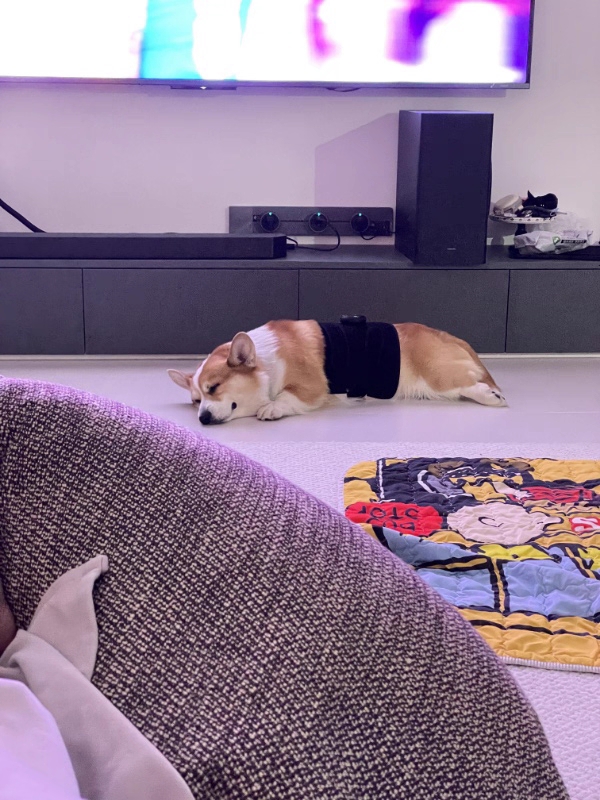
Many dogs quickly learn to associate the warm, gentle heat with comfort — you’ll often see them curl up and relax during sessions!
Why Choose Our Wireless Infrared Therapy Pad?
Our dog infrared therapy pad is designed specifically for at-home use, with safety and convenience in mind:
Cordless design lets you use it anywhere, no tangled wires to stress your pup.
Adjustable heat levels let you customize the temperature to your dog’s comfort.
Durable, washable cover makes cleanup easy, even for messy pups.
Safe, vet-approved infrared heat that penetrates deep without overheating.
It’s perfect for senior dogs, post-surgery recovery, and everyday joint care.
How to Tell If Your Dog Needs Infrared Therapy
It’s not always obvious when your dog is in pain. Common signs include limping, stiffness after resting, difficulty climbing stairs, or a reluctance to play like they used to. Senior dogs, pups recovering from surgery, or those with arthritis often benefit the most from regular infrared therapy sessions. Even if your dog seems “fine,” subtle changes in their behavior can signal discomfort that infrared therapy can help ease gently and naturally.
How to Tell If Your Dog Needs Infrared Therapy
Infrared therapy for dogs can help ease many hidden discomforts, but how do you know if your pup could benefit? Common signs include limping, stiffness after resting, difficulty climbing stairs, or a reluctance to play like they used to. Senior dogs, pups recovering from surgery, or those with arthritis often benefit the most from regular sessions. Even if your dog seems “fine,” subtle changes in their behavior can signal discomfort that infrared therapy can help ease gently and naturally.